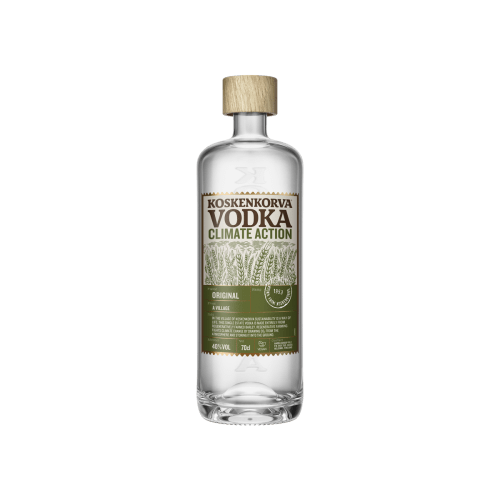

HONEST VODKA MADE SUSTAINABLY
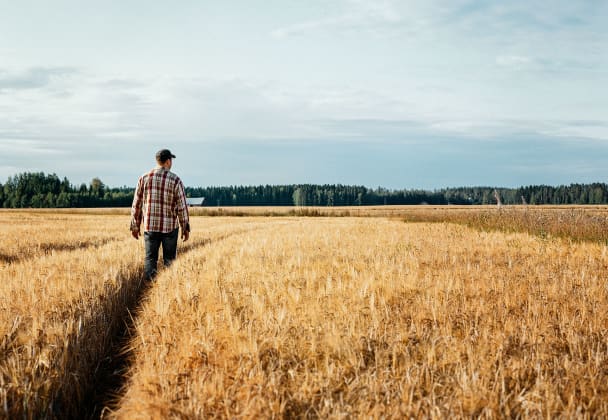
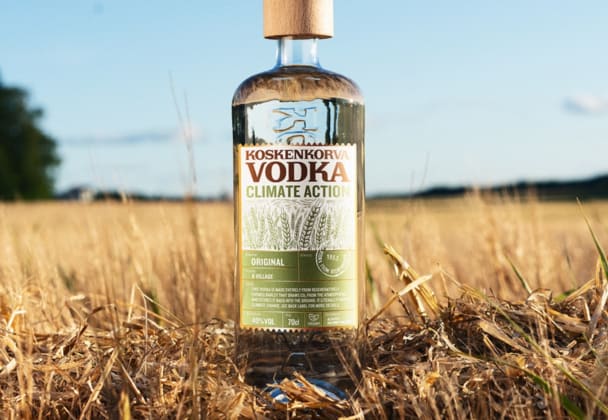
In the Village of Koskenkorva, Finland, we have good barley, pure ware, dedicated local farmers and state-of-the-art distillation process. We work with nature's best ingredients to create a smooth, honest vodka.
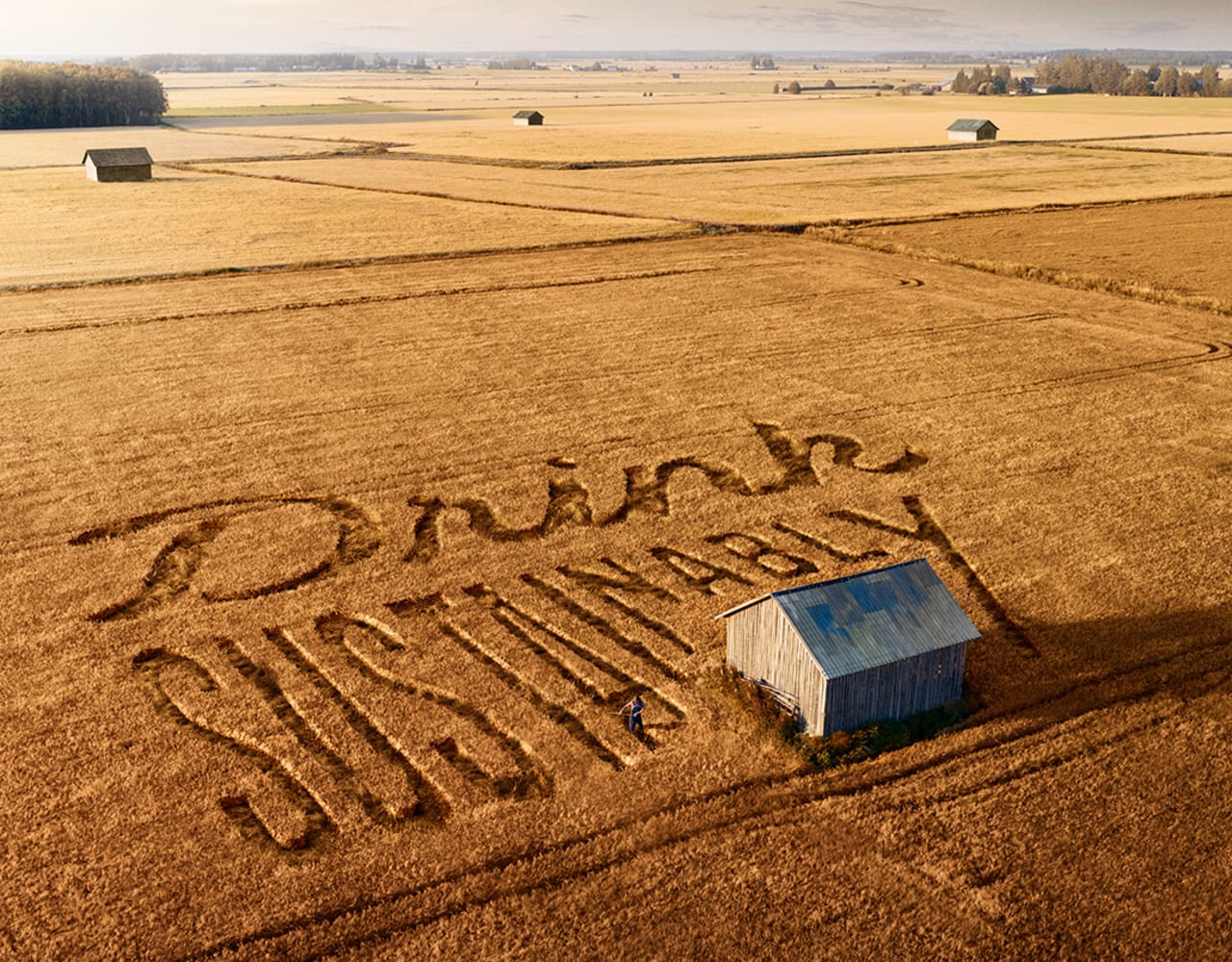
SUSTAINABILITY IS A WAY OF LIFE
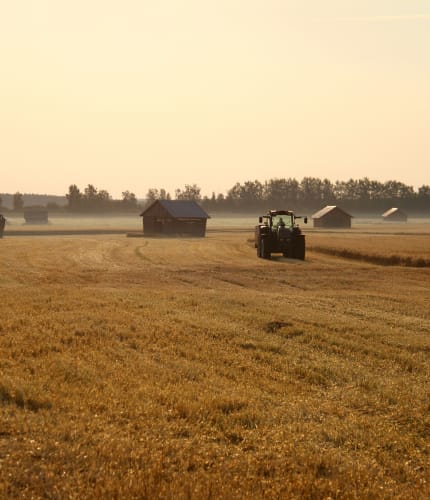
In the village of Koskenkorva, sustainability is a way of life. First of all, it’s worth mentioning that the recycling and reutilization rate of the Koskenkorva plant is 99.9%. Don’t worry. We’re working on that last 0.1%. However, that is not the only thing we are focusing on. Read more
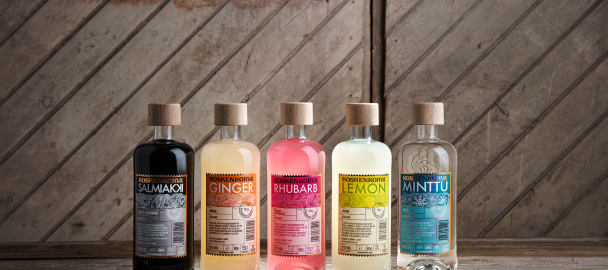
Koskenkorva Products
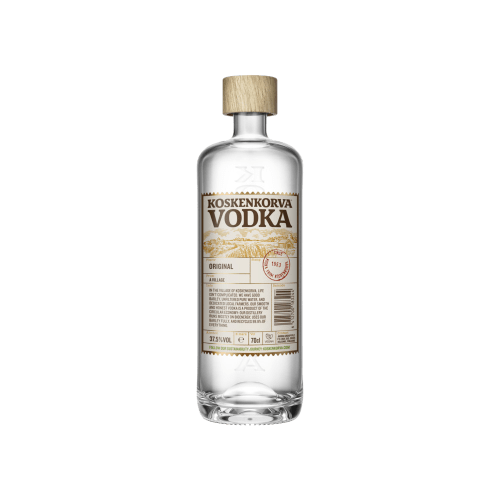
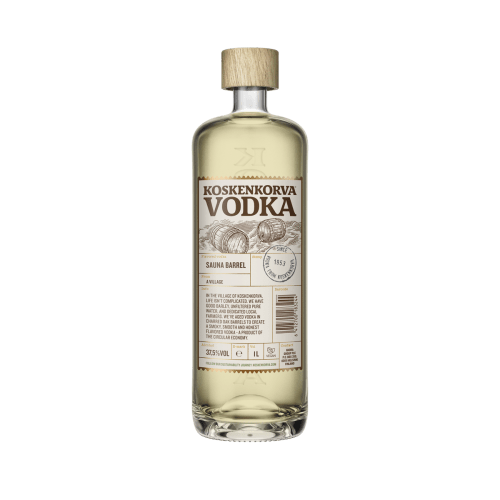
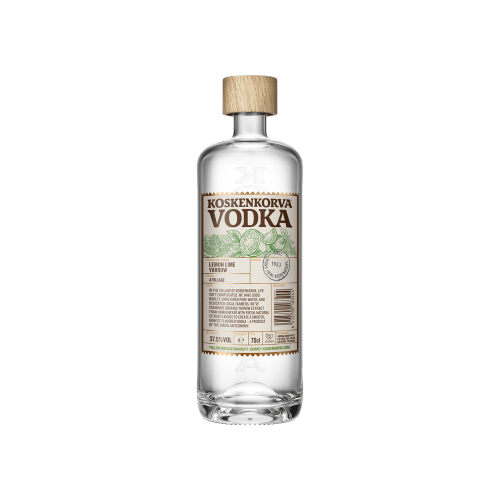
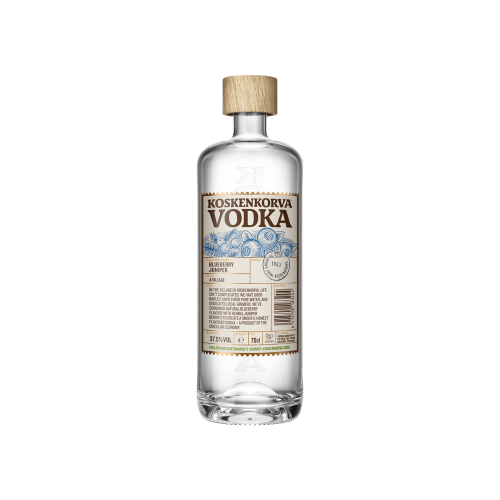
Koskenkorva Vodka Blueberry Juniper
A unique blueberry and juniper flavored vodka with gin-like nuances.Read more
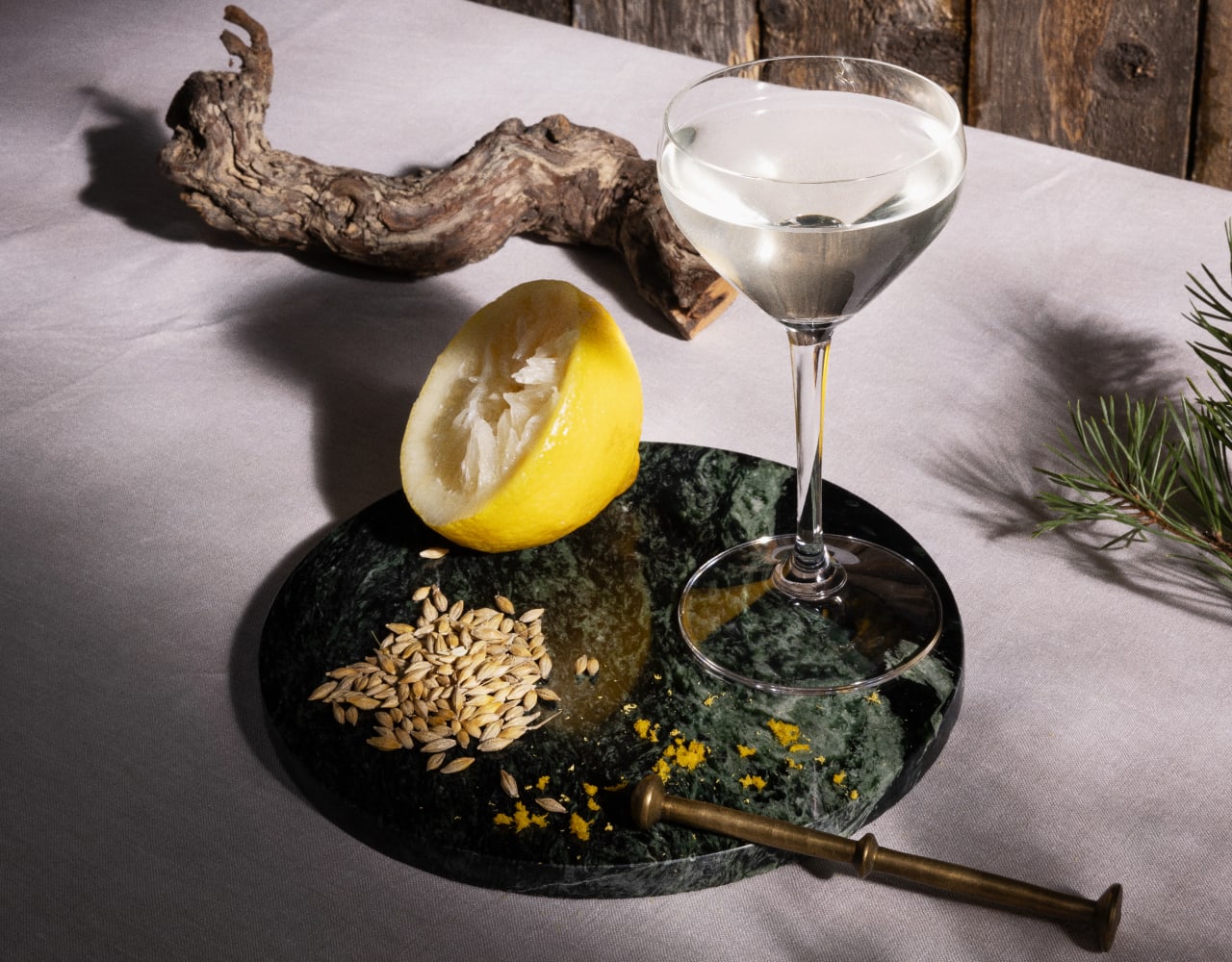
COCKTAIL RECIPES FROM THE VILLAGE
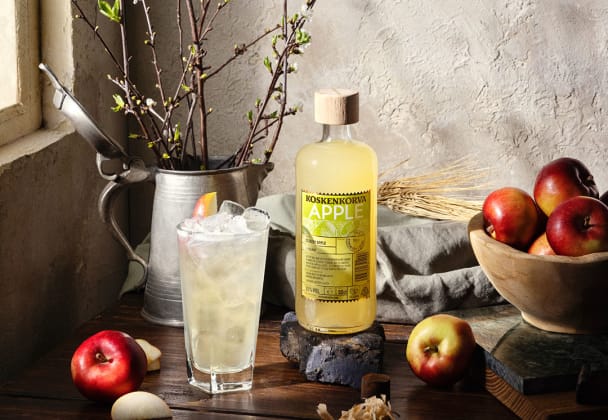
Thanks to its pure taste, Koskenkorva Vodka is an excellent base for cocktails. Our Global Brand Ambassador Mikael Karttunen reveals the secrets behind delicious Koskenkorva cocktails.
Cocktails
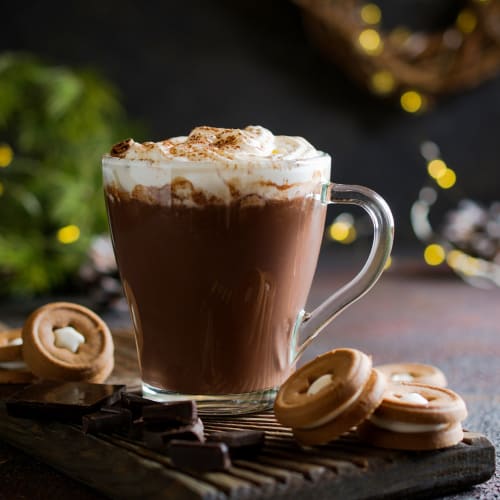
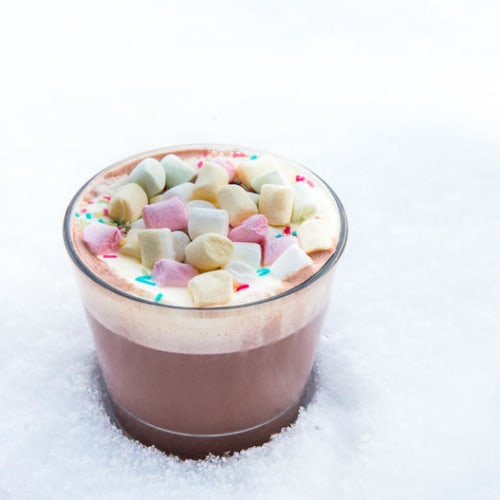
Winter Wonderland
If Santa Claus had an official cocktail, it would be this. Hot chocolate with Koskenkorva Minttu & marshmallows.
Read more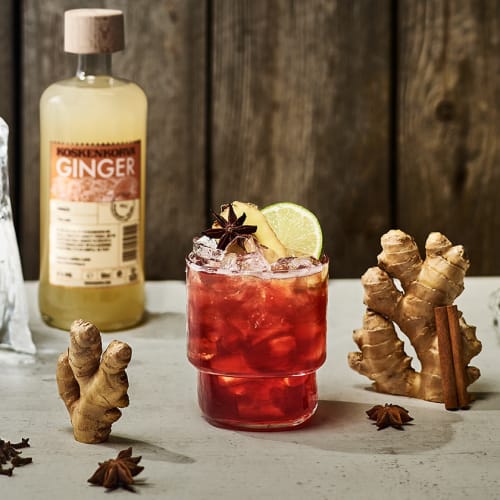
Winter Tonic
A spicy and wintry cocktail mixed with Koskenkorva Ginger and Blossa’s classic glögg.
Read more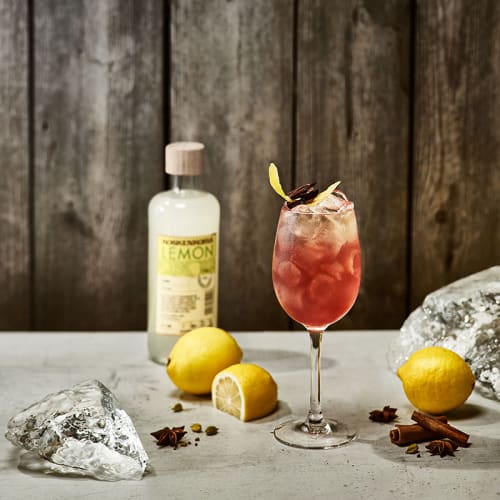
Winter Spritz
A new variant of the popular drink - now with flavors of lemon, mulled wine and cinnamon. When topped with sparkling wine, it becomes festive.
Read more
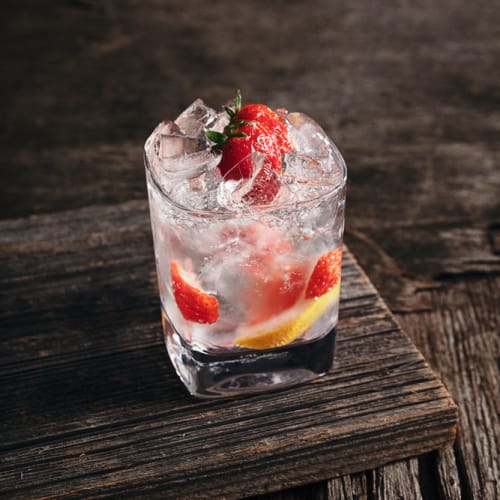
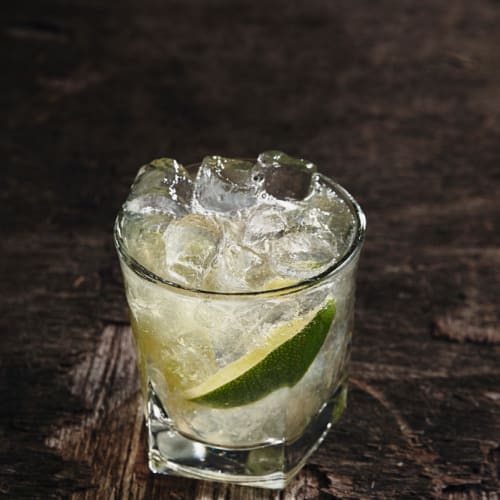
Vodka & Soda
Vodka & Soda was the first cocktail made with Koskenkorva Vodka when it first arrived in 1953.
Read more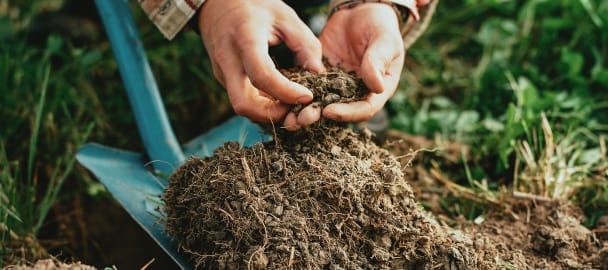
Sustainability
Products
Cocktails
Where to buy